David Turner calls this Mentor. Coach. Sponsor. Three development relationships, and they are not equal. Mentors are good. Coaches are great. Sponsors can make a career.
Every executive I’ve coached has a story about the person who helped them get to the C-suite. Almost none of them got there alone. The question is whether you’re specific and disciplined enough to build that relationship on purpose instead of hoping it finds you.
- Mentor. Informal, usually infrequent, and typically outside your company. Someone who cares about you and gives you time. Valuable, and rarely the mechanism of a promotion. The limit isn’t the person. It’s proximity: they don’t know your 360, and they can’t advocate inside a room they’re not in.
- Coach. Preferably internal and two levels up. That person knows the dynamics, your peers and your manager, and has the standing to move you forward. This is a structured relationship with a specific ask, a finite duration and a clear purpose.
- Sponsor. Active advocacy. The person who doesn’t just believe in your potential but stakes their name on it in the rooms that count. A coach and a sponsor can be the same person.
How do I ask a senior executive for their time without wasting it?
Ask for twenty minutes on three specific topics inside their domain. Not thirty minutes, not an hour. Twenty minutes says you respect their time, you’ve already decided what you need, and this won’t become an open-ended relationship they have to manage.
The topics should be precise enough that they can answer cold from twenty years of pattern recognition. Not “I want to learn about finance,” but three specific questions inside finance. Easy for them, invaluable for you. Name the calendar invite to match: “Coaching: Capital Structure.” Not “Coffee.” Not “Catch-up.”
Here is what almost nobody understands about that ask. You are not just learning. You are auditioning. Every executive two levels up who gets a specific, disciplined, time-bounded request is running a high-potential evaluation whether they know it or not. One ask, two returns: you get the coaching and you get seen.
Nobody senior is advocating for me. How do I change that?
Build a coaching relationship with someone two levels up, then ask for sponsorship once it has earned the ask.
Jeff Tarr was President of the company I worked for, two levels above me. I made the ask the right way: specific topics, twenty minutes, a finite duration, homework done. We built a coaching relationship over a year. At the end of that year I asked for sponsorship, and Jeff helped place me into a high-visibility, global role at the publicly traded company we worked for. Then Jeff left to become CEO of another company. When the non-solicitation period ended, he reached out, and I joined him as a C-level executive.
Two career-defining moves from one relationship. More than twelve years later Jeff refers clients to my coaching practice, not because I ask but because he sees me as one of his legacy investments. That is what buy-and-hold looks like in human capital.
What are the risks of asking my boss’s boss for time, and how do I handle it?
The risk comes from vagueness. An open-ended request to your boss’s boss for a “career chat” invites the obvious question of why you didn’t go to your own manager, and it can read as lobbying or going around them.
The protection is the same discipline that makes the ask work: specific coaching, on a specific topic, for a specific period. “Coaching: Capital Structure, 20 minutes” is plainly about learning one thing from the person who knows it best. It isn’t a complaint and it isn’t a campaign for a title, and nobody in the chain has to wonder which one it is.
Who is two levels up from you right now with a domain you need? Have you made the ask, or are you quietly waiting to be discovered?
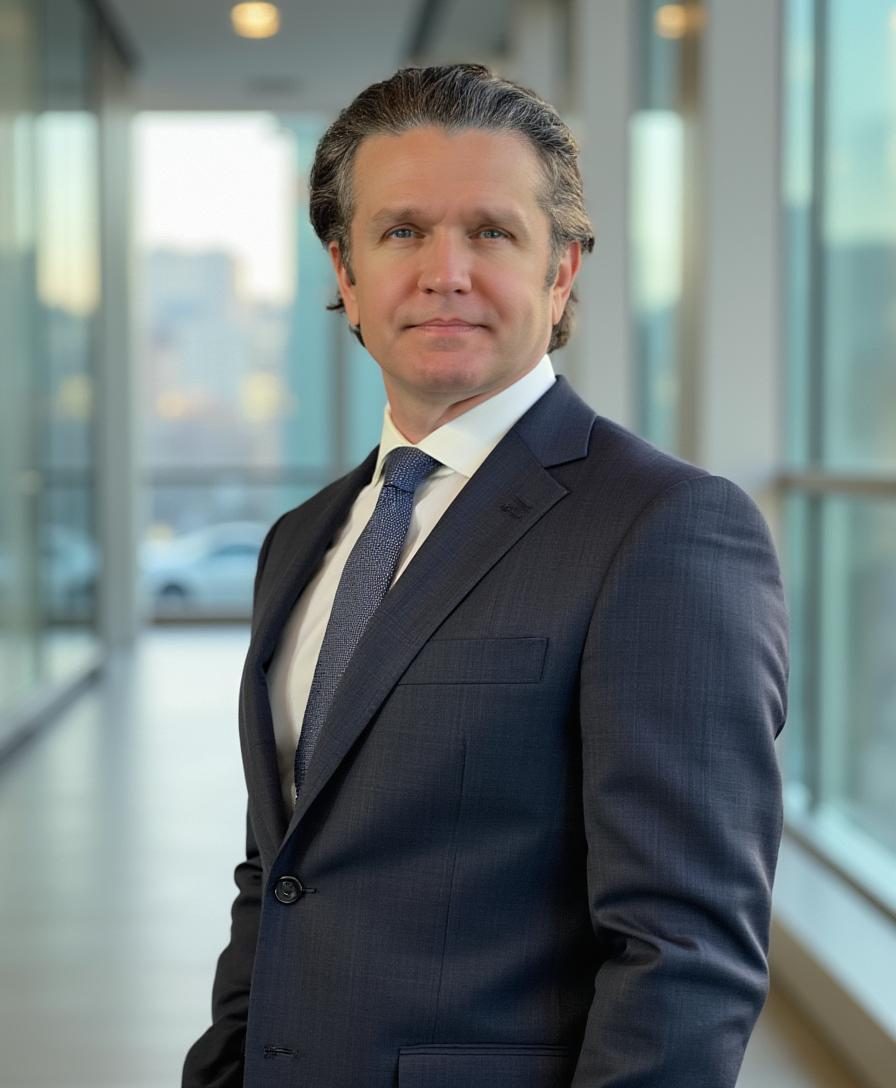
David has spent 13,400+ hours coaching CEOs and C-suite leaders at companies from $50M to $27B in revenue, and sits in on his clients’ talent reviews, where promotions are decided. Before coaching he spent 24 years in executive seats, including CEO of a PE-backed technology company and SVP of Sales & Marketing and Managing Director at DigitalGlobe. More about David